Recycling and Sustainability at Removals Switzerland
 At Removals Switzerland, sustainability is built into the way we plan, pack, transport, and dispose of items. Our recycling removals approach is designed to reduce waste at every stage of the move, from careful sorting at collection to responsible delivery at local transfer stations. We aim for a minimum recycling rate of 85% for suitable non-hazardous move-related materials, including cardboard, plastics, metals, wood, textiles, and reusable household goods. This target helps us keep as much as possible in circulation and reduce the amount sent to landfill or incineration.
We also work with an environmentally aware network of local transfer stations, where items can be separated efficiently according to material type. In many boroughs and municipalities, waste separation rules are already highly structured, and our team respects local requirements when sorting mixed loads. For example, separate streams for paper, glass, green waste, WEEE, and bulky items allow us to direct materials to the most appropriate recycling route. This borough-by-borough approach supports better diversion rates and ensures that recyclable items are processed in line with local standards.
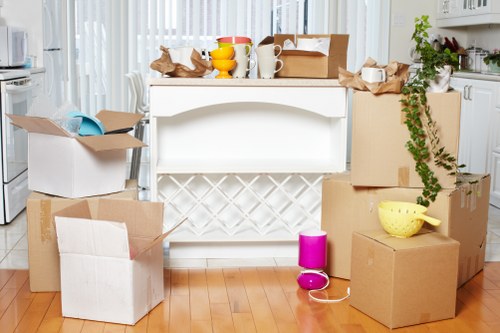 As part of our sustainable removals service, we prioritise re-use before recycling. Furniture, shelving, kitchenware, and office items that still have life left in them are identified for donation or redistribution wherever possible. Items that cannot be re-used are assessed for material recovery, helping us reduce waste while supporting the circular economy.
Local Transfer Stations and Sorted Waste Streams
Our operations team plans each move with disposal logistics in mind. By using local transfer stations, we minimise unnecessary mileage and reduce the environmental cost of waste handling. These stations are especially useful for separating mixed loads after a move, such as packaging waste, broken fixtures, and obsolete household contents. Rather than mixing everything together, we use a structured process that respects local waste separation expectations and keeps recyclable materials clean and recoverable.
In practical terms, this means cardboard is flattened and sent for paper recovery, metals are grouped for smelting, and untreated timber is routed to appropriate recovery facilities. Where borough-level rules require separate collection of food-contaminated packaging, small electrical items, or construction offcuts, we follow those rules carefully. This attention to local recycling procedures is a key part of our eco-friendly removals model.
 We also monitor the types of materials most commonly produced during domestic and commercial moves so we can improve sorting outcomes over time. By understanding the waste profile of apartments, family homes, and offices, we can plan the right containers, the right transfer station route, and the right downstream recycling partner.
Charity Partnerships and Re-Use First
Another important pillar of our sustainability work is our partnership with charities and community organisations. Before recycling begins, we look for opportunities to donate suitable furniture, appliances, books, clothing, and household items. These partnerships help extend product life, support local initiatives, and reduce the volume of material entering the waste stream. In many cases, items that may seem outdated to one household can be valuable to a charity shop, social enterprise, or community project.
We are especially careful to separate items that can be passed on quickly from those that require refurbishment or recycling. This recycling and sustainability strategy means fewer usable objects are discarded, and more materials are kept in circulation for longer. It also reduces the energy and emissions associated with manufacturing replacements. When donation is not possible, we aim to ensure the item is broken down into recoverable parts, whether that means wooden frames, metal fittings, or recyclable textiles.
Our team understands that responsible removals are not only about what leaves a property, but about where it ends up. That is why charity collaboration sits alongside recycling planning as a core part of our service. By favouring reuse, we help create a more efficient and socially beneficial disposal pathway.
Low-Carbon Vans and Smarter Transport
 Transport is another area where we reduce environmental impact. Our fleet includes low-carbon vans designed to improve fuel efficiency and lower emissions during local and regional moves. These vehicles are maintained to high standards, with route planning used to minimise idle time, avoid unnecessary trips, and cut overall fuel use. When combined with careful scheduling, this makes a noticeable difference to the carbon footprint of each move.
We also aim to consolidate collections where possible, combining compatible loads so that fewer journeys are required. This is especially helpful for moves that include both recyclable materials and reusable goods. By coordinating transport with local transfer stations and donation points, we avoid empty return trips and keep the process more efficient. In urban areas, where traffic and stop-start driving can increase emissions, this planning is particularly important.
Our commitment to greener transport supports the wider goals of sustainable moving services. Lower-emission vehicles, intelligent routing, and waste reduction all work together to create a more responsible service for customers who want practical removals with a lighter environmental impact.
Area-Specific Recycling Practices
 Different districts often use slightly different recycling systems, and our approach adapts accordingly. In some boroughs, for instance, mixed recycling must be separated into paper, containers, and glass streams before it can be accepted, while others require particular handling for garden waste, bulky plastic, or small electrical appliances. We keep these distinctions in mind during planning so that materials from a move are directed to the correct waste route without delays or contamination.
Keeping Materials in the Right Stream
This attention to local detail matters because contaminated loads can reduce recycling efficiency. A small amount of food waste in cardboard, or residual paint on metal items, can affect whether material is accepted for recovery. Our team therefore sorts carefully and labels loads appropriately, helping transfer stations and recycling facilities process them effectively. The result is a cleaner supply of recoverable material and better overall recycling outcomes.
Whether it is a flat move, office relocation, or multi-property clearance, our goal remains the same: reduce waste, increase reuse, and support local recycling systems. From transfer station use to charity partnerships and low-carbon vans, every part of the process is designed to make removals more sustainable. For customers seeking a greener removal experience, Removals Switzerland combines practical logistics with environmental responsibility in a way that benefits both people and place.