Health and Safety Policy for Removals Switzerland
 Removals Switzerland is committed to maintaining a safe, responsible, and well-organised working environment for every stage of the moving process. This health and safety policy sets out the standards expected when handling household goods, office equipment, specialist items, and packing materials. Our approach is based on preventing accidents before they happen, protecting people, and ensuring that all removal activities are carried out with care, control, and professionalism.
We recognise that removals can involve heavy lifting, awkward access, time pressure, and changing conditions. Because of this, our safety-first mindset applies to planning, loading, transport, unloading, and final placement of items. Every team member is expected to take reasonable steps to reduce risk, follow safe systems of work, and report hazards immediately. We also encourage clients and partners to cooperate with safety measures so that the entire removal process remains orderly and secure.
Our Commitment to Safe Removals
Health and safety is not treated as a separate task; it is part of everyday operations. In practice, this means assessing each removal job for potential risks, using appropriate equipment, and assigning enough trained staff for the work required. Safe lifting techniques, clear communication, and proper route planning all contribute to fewer injuries and less damage. We aim to create a culture where caution is seen as good service, not a delay.
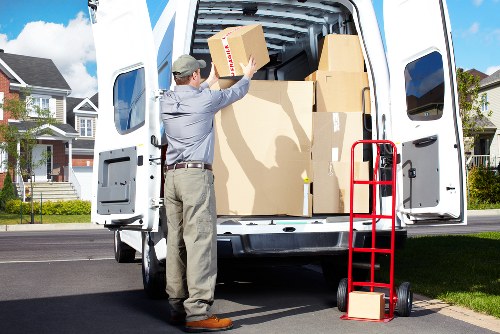 Before any move begins, key hazards are considered. These may include stairs, narrow corridors, slippery surfaces, limited parking, fragile objects, poor lighting, or items that are unusually large or unstable. For larger or more complex jobs, a more detailed review is completed so that the removal team can choose the safest method of handling. This may involve deciding whether an item should be dismantled, wrapped, lifted by two people, or moved using specialist tools.
All staff are expected to wear suitable clothing and personal protective equipment where required. Depending on the work involved, this may include gloves, safety footwear, high-visibility garments, or back-support awareness practices. The objective is not simply to comply with procedure, but to protect workers from avoidable strain and impact injuries. Good preparation remains one of the most effective ways to reduce risk during a relocation.
Vehicles and equipment are inspected regularly to help ensure they are fit for use. Straps, blankets, trolleys, ramps, and lifting aids must be maintained in usable condition. Any defective item is removed from service until it has been checked or replaced. This careful approach supports the safe transport of furniture and fragile belongings, while also helping the team work efficiently and confidently.

Safe Handling and Operational Standards
Manual handling is one of the most important safety concerns in the removals industry. To reduce strain, staff are trained to assess weight, shape, balance, and grip before lifting. Heavy or awkward items should never be handled carelessly or rushed. Where possible, items are moved using team lifts or handling aids rather than relying on strength alone. Controlled movement is always preferred over hurried movement.Loading and unloading must be done in a stable, organised manner. Items are placed so that they do not shift during transport, and fragile goods are separated from heavier loads. Boxes should be stacked sensibly, with attention to weight distribution and access. When working in unfamiliar premises, staff must remain alert to trip hazards, uneven floors, open doors, or obstacles that could affect safety. Good housekeeping is essential throughout the move.
Communication is equally important. Team members should use clear instructions, confirm when an item is ready to move, and pause if a route becomes unsafe. If a problem arises, the activity should stop until the issue is resolved. This simple principle helps protect people, goods, and property. It also ensures that the moving process remains calm and well-managed even when unexpected challenges occur.
Training, Responsibility, and Incident Response
Every employee involved in removals is expected to receive appropriate safety awareness and practical instruction. Training covers manual handling, hazard recognition, correct use of equipment, and responsible conduct on site. Supervisors are responsible for setting the standard, monitoring compliance, and making sure that safety instructions are followed. Everyone has a role in maintaining a safe workplace, from planners and drivers to packing and moving teams.Incidents, near misses, and unsafe conditions must be reported without delay. Prompt reporting allows corrective action to be taken before the same issue causes harm again. Where an injury or damage occurs, the situation is reviewed so that lessons can be learned and procedures improved. This continuous improvement approach supports better outcomes over time and helps strengthen the overall safety culture of removals services in Switzerland.
Work should never continue if conditions become unsafe due to weather, access restrictions, fatigue, or an unexpected structural issue. Team leaders are authorised to halt operations where necessary and reassess the task. This flexibility is vital in a service that often involves changing environments and variable schedules. A well-run move is one that protects people first while still delivering reliable results.

Client Cooperation and Site Safety
Clients can help support safety by keeping access routes clear, securing pets and children away from work areas, and identifying delicate or hazardous items before the move begins. They should also inform the team of any building rules, access limitations, or unusual conditions that may affect the job. When both sides share information openly, the risk of accidents is reduced and the removal runs more smoothly.We also expect a respectful working environment. Aggressive behaviour, unsafe interference, or pressure to ignore procedures is not acceptable. Our team will always prioritise safe practice over speed when the two are in conflict. This principle protects everyone involved and reflects our commitment to professional standards across Swiss removals operations.
Safety is a shared responsibility, and the best results come from careful planning, disciplined working methods, and mutual respect. Through this policy, Removals Switzerland aims to deliver services that are efficient, dependable, and above all safe. Each move should be completed with attention to wellbeing, property protection, and operational control.
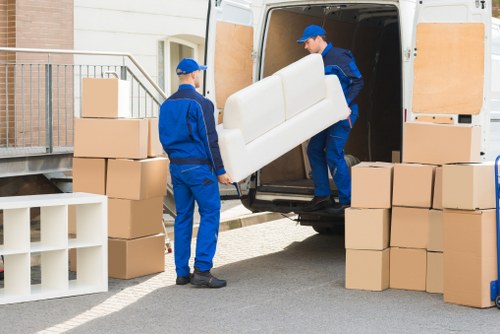 By following these health and safety principles, Removals Switzerland strengthens trust, reduces avoidable risks, and supports a better moving experience for everyone involved.