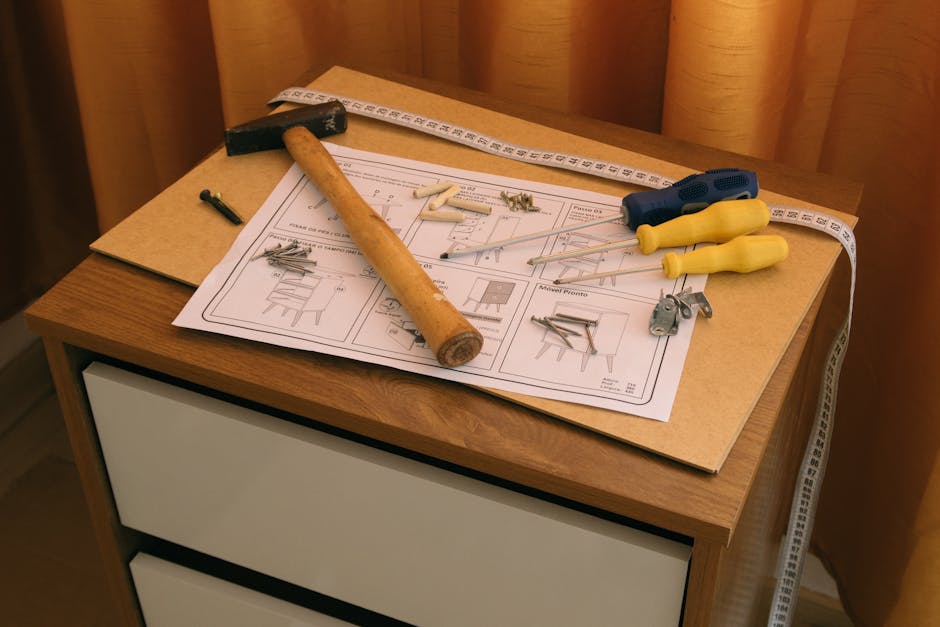
Practical guide to dismantling furniture for removals across the UK
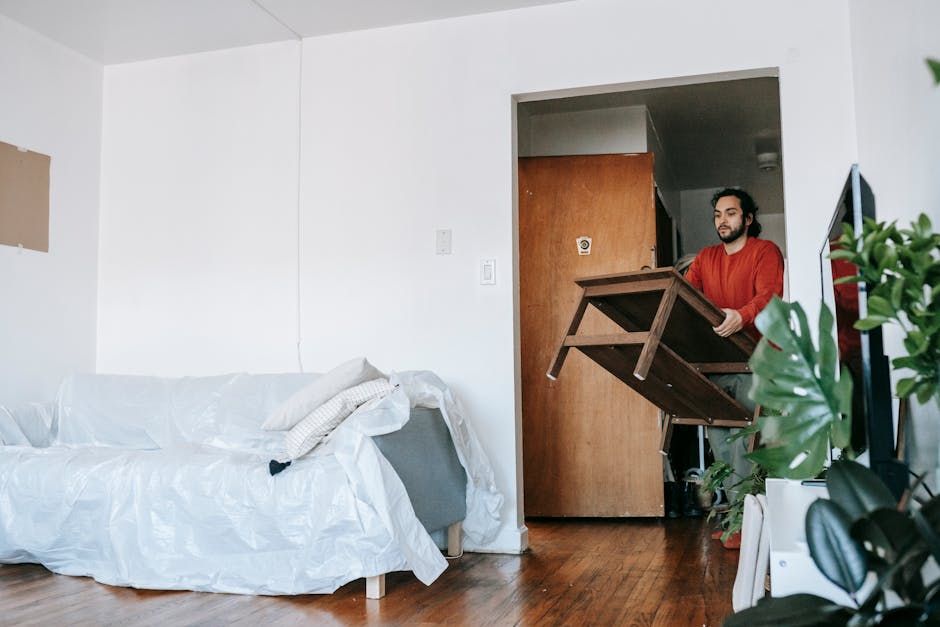
If you are staring at a wardrobe, bed frame, dining table, or office desk and wondering how on earth it is going to fit through the door, you are not alone. Furniture dismantling is one of those moving-day jobs that looks simple until you are crouched on the floor, hunting for an Allen key and trying to remember which screw came from where. This practical guide to dismantling furniture for removals across the UK gives you a clear, realistic way to prepare items for transport, reduce damage, and make moving day less stressful.
Whether you are moving from a compact flat, a family house, or an office, the basic principles stay the same: plan ahead, take furniture apart carefully, keep every fixings bag labelled, and decide early which items are worth dismantling at all. A good removal day feels calm because the fiddly work was done the day before. That is the difference.
Why Practical guide to dismantling furniture for removals across the UK Matters
Dismantling furniture is not just about squeezing bulky items into a van. It is about reducing risk. Large pieces can scrape walls, catch on bannisters, strain backs, and become awkward to load safely. In older UK homes, in particular, narrow staircases, tight hallways, and awkward corners can turn one simple wardrobe into a full-blown puzzle.
There is also the practical side. A properly dismantled bed base, shelving unit, or table usually travels more safely than the same item left assembled. Less bulk means easier carrying, better stacking inside a moving van, and fewer chances of chips, bent fixings, or broken joints. To be fair, not every piece needs taking apart. The skill is knowing which items should stay intact and which really should not.
If you are booking help through a removal company or arranging a lighter move with a man with van service, furniture prep can also affect how long the move takes and how smoothly the load goes in and out. That is one reason careful planning often matters as much as muscle.
There is a second reason this matters across the UK: moving conditions vary a lot. A Victorian terrace in Leeds, a new-build flat in Manchester, a maisonette in South London, or a rural cottage in Cumbria can each present different access issues. If you know in advance how your furniture comes apart, you are far less likely to hit a moving-day wall. Literally, sometimes.
Expert summary: The safest approach is simple: dismantle what is designed to come apart, protect every loose part, label everything clearly, and only attempt more complex furniture if you are confident the item can be rebuilt properly.
How Practical guide to dismantling furniture for removals across the UK Works
The process is more methodical than dramatic. First, you identify the furniture that can and should be disassembled. Then you gather the right tools, remove loose items, photograph the structure, and take the item apart in a controlled order. After that, you bundle the fixings, wrap the parts, and mark everything so reassembly is easier at the other end.
Most home furniture falls into one of three groups:
- Designed to dismantle easily - beds, wardrobes with modular panels, flat-pack desks, shelving units, some dining tables.
- Partly dismantlable - sofas with removable legs, some recliners, larger cabinets, certain bed frames.
- Best left intact - solid one-piece items, antique pieces, heirloom furniture, or anything glued and dowelled in a way that would weaken the structure.
The key is not to force a piece just because it looks as if it should come apart. If fixings resist, stop and reassess. Some furniture is held together by cam locks, bolts, wooden dowels, hidden brackets, or a mixture of all four. The wrong tool can strip a screw head very quickly. Then you are no longer dismantling furniture; you are negotiating with it.
If you are coordinating a fuller house move, services like home moves or house removals can help with planning the wider logistics, but the furniture preparation still benefits from the same careful method. The move goes better when the big pieces are under control before the van arrives.
Key Benefits and Practical Advantages
There are some very real gains to dismantling furniture properly before a removal. The obvious one is that it makes bulky items easier to carry. But the advantages go further than that.
- Better access through tight spaces: Smaller sections are easier to move around corners, through door frames, and down stairs.
- Reduced chance of damage: A flat, wrapped panel is usually safer than an oversized assembled item rubbing against walls.
- Faster loading: Disassembled furniture stacks more efficiently in a removal van or truck.
- Safer lifting: Smaller parts reduce awkward weight distribution and improve team handling.
- Easier reassembly: Good labelling and photos save a surprising amount of time at destination.
- Better use of transport space: This can matter if you are using a moving van or a smaller vehicle for local removals.
There is also a financial angle, even if it is indirect. If loading is quicker and access is simpler, your moving day can become more efficient. That can be useful when you are comparing different options through removal services or requesting a quote from removal companies. Less time spent wrestling with a wardrobe generally means a calmer move. A rare luxury, honestly.
And one more benefit that people underestimate: confidence. When you know your furniture is ready, the whole day feels less chaotic. You are not scrambling with an Allen key while the kettle is already packed.
Who This Is For and When It Makes Sense
This guide is for anyone moving in the UK who has at least one awkward item of furniture and does not want damage, delays, or last-minute panic. That includes tenants, homeowners, students, landlords, office managers, and anyone downsizing into a smaller space.
It makes particular sense if:
- you live in a property with narrow stairs or tight hallways;
- you own flat-pack furniture that has been assembled more than once;
- you are moving a bed frame, wardrobe, sofa, desk, or table;
- you are using a smaller vehicle such as a removals van;
- you are trying to keep costs sensible and prepare as much as possible yourself;
- you want to reduce the risk of scratches, snapped joints, or lost fittings.
It may also be the right approach if you are arranging a business relocation. Office furniture often needs partial dismantling for desks, meeting tables, shelving, and storage units. In those cases, it can help to look at commercial moves or office removals, especially if the move involves multiple workstations or shared equipment.
If you are dealing with a single bulky item rather than a whole property, it may be more sensible to use a collection or pick-up option. For example, furniture pick up can be a better fit when you just need one or two items removed. Not every job needs a full production, thankfully.
Step-by-Step Guidance
Here is the practical sequence that works well in real life. It is simple, but it saves mistakes.
1. Decide what should be dismantled
Start with the biggest and most awkward items. Ask yourself: will this fit through the property in one piece without scraping walls or getting stuck? If the answer is no, dismantling is likely the safer choice. Beds, large wardrobes, modular shelving, and tables are usually the first candidates.
2. Empty the item completely
Remove drawers, shelves, loose trays, cable clips, hanging rails, and anything else that can move around. A wardrobe full of clothing or a desk full of files is more difficult to handle and more likely to spill open halfway down the stairs. It sounds obvious. Still, it gets missed all the time.
3. Photograph the item before touching a screw
Take a few clear photos from different angles. Capture the back, underside, and fixings. That one habit can save you a lot of head-scratching later, especially if the furniture uses hidden brackets or cam locks. It also helps if you need to explain a part to a mover or another person helping with reassembly.
4. Gather your tools and packing supplies
At minimum, most people need screwdrivers, an Allen key set, zip bags for fixings, masking tape, marker pens, and wrap or blankets. If you are moving more substantial pieces, a drill with the correct bit can help, but use it carefully. No one enjoys stripped screws. No one.
5. Remove loose parts first
Take out drawers, shelves, decorative handles, glass shelves, and detachable feet before removing the main structure. This reduces weight and makes the main frame easier to handle. Keep fragile parts separate and label them clearly.
6. Unscrew in a sensible order
Work from top to bottom and from outer pieces inward where possible. Keep pressure on the item so parts do not shift suddenly. If you hit resistance, do not force it. Check for hidden fixings, caps covering screws, or extra screws underneath a trim piece. Forcing it is how good furniture goes from "moveable" to "well, that's awkward".
7. Group and label fixings
Put all screws, bolts, washers, and brackets from one item into a clearly labelled bag. Better still, tape that bag to the relevant panel or place it in a dedicated box marked with the room and item name. A label like "bed frame - headboard bolts" is much more useful than "bits".
8. Protect the dismantled sections
Wrap panels, legs, and fragile edges with blankets, bubble wrap, or furniture covers. Tape should never touch delicate finishes directly if you can avoid it. For glass, mirrors, or polished surfaces, add extra padding and mark the package as fragile.
9. Stack parts in the right order for loading
Flat panels should be stored against the van wall where possible. Heavier parts go lower down. Keep hardware boxes in a safe, reachable place rather than at the very back of the load. When the time comes to unload, you will thank yourself.
10. Rebuild in reverse with the photos handy
At the new property, use your photos and labelled fixings to rebuild the item in the reverse order. If something does not line up, stop and check the frame before tightening anything fully. A rushed reassembly can create wobble, weak joints, or missing supports.
Expert Tips for Better Results
A few small habits make a surprisingly large difference.
- Use separate bags for each item. Mixing fixings from several pieces is the fastest route to frustration.
- Mark orientation on panels. A small arrow or "top" label avoids confusion when everything looks like a wooden rectangle.
- Keep one toolkit accessible. Do not pack every tool first. You will need at least one screwdriver on moving day.
- Protect floor surfaces while dismantling. A blanket or cardboard sheet can stop scratches when you are working in a hallway or bedroom.
- Watch out for cheap flat-pack fittings. Some budget items can loosen over time and need extra care when taken apart.
- Reinforce long panels. If a shelf or tabletop is thin, support it properly so it does not bend during carrying.
If you are moving with professional help, a quick conversation before the move can avoid surprises. For example, if a wardrobe has mirrored doors or the bed frame is unusually heavy, say so early. That kind of detail helps movers bring the right equipment and plan the load. A good team will always appreciate clarity.
And here is one practical, slightly boring tip that really works: keep a small tray, bowl, or sandwich bag for the tiny stuff while you work. Tiny stuff has an almost supernatural ability to vanish the moment you stand up.
Common Mistakes to Avoid
Even careful people make these mistakes, usually because moving day turns brains to mush.
- Starting too late: Dismantling furniture the morning of the move is asking for stress.
- Not checking the construction first: Some pieces are partly glued, some are screwed, and some are both.
- Using the wrong tools: This can strip heads, damage brackets, or scratch finishes.
- Failing to label parts: Reassembly becomes guesswork, which is never fun.
- Leaving drawers or shelves inside: That adds weight and can cause parts to fall out.
- Forgetting to protect corners and edges: Those are the first places to chip.
- Over-tightening during rebuild: This can crack particleboard and weaken the fit.
One of the most common problems is assuming every item should come apart fully. It should not. Antique pieces, solid wood furniture, and items with glued joints are often better left alone unless a specialist is handling them. If in doubt, that is the moment to pause, not push on.
Tools, Resources and Recommendations
You do not need a workshop full of kit, but the right basics help a lot. Here is the kit many people find genuinely useful:
- Phillips and flat-head screwdrivers
- Allen key set in multiple sizes
- Adjustable spanner or small wrench
- Masking tape and marker pen
- Zip-lock bags or small labelled envelopes for fixings
- Moving blankets or furniture pads
- Bubble wrap or soft wrap for delicate edges
- Utility knife or scissors for tape and packaging
- Gloves with decent grip
If the job involves multiple rooms, packing support can help keep the whole house move under control. Services such as packing and unpacking services are useful when time is tight or you simply want the work handled more systematically.
For larger properties, or moves involving heavier loads, you may also need to think about vehicle size and loading method. A proper moving truck or a larger removal truck hire setup can make it easier to transport dismantled furniture safely without stacking it too tightly.
One more useful point: if you are planning to get rid of old items rather than move them, it may be worth thinking about sustainability and responsible disposal before the move. Where possible, reuse, donate, or arrange proper collection rather than sending perfectly usable furniture to waste.
Law, Compliance, Standards, or Best Practice
Furniture dismantling itself is not heavily regulated in the way some trades are, but the moving process still benefits from proper safety practice. In the UK, the basics are straightforward: avoid unsafe lifting, use equipment correctly, and do not create hazards for yourself or others.
For private moves, good practice usually means:
- lifting in a controlled way and asking for help with awkward items;
- keeping walkways clear while dismantling or carrying parts;
- making sure fixings and tools are stored safely;
- checking that glass, mirrors, and sharp edges are protected;
- using suitable vehicles and load restraint methods where relevant.
If you are using a professional provider, it is sensible to look at their approach to safety, insurance, and handling. A trustworthy operator should be able to explain how they manage damage risk and what is covered. The pages on health and safety policy and insurance and safety are exactly the sort of place to check this kind of information before you book.
For business moves, there can be extra expectations around access, protection of equipment, and continuity of operations. If you are relocating an office, the standard is usually not just "get it moved", but "get it moved with minimal disruption". That is where clear planning and careful dismantling become part of a broader operational duty, not just a practical one.
Best practice also includes being honest about what you can and cannot dismantle. If an item is valuable, fragile, or structurally complex, it may be smarter to leave it to experienced movers rather than risk damage. That is not overcautious. It is sensible.
Options, Methods, or Comparison Table
There are a few different ways to handle furniture before removals. The right choice depends on item type, access, budget, and how confident you feel with tools.
| Approach | Best for | Pros | Drawbacks |
|---|---|---|---|
| Full DIY dismantling | Flat-pack items, standard beds, simple shelving | Cost-effective, flexible, good control over packing | Time-consuming, risk of mistakes if rushed |
| Partial dismantling | Sofas, modular wardrobes, larger tables | Balances safety and speed, keeps strong frames intact | Needs judgement to avoid overdoing it |
| Professional dismantling as part of removals | Heavy, awkward, or high-value furniture | Less stress, better handling, often more efficient | May increase service cost |
| Leave items assembled | Solid furniture, antiques, low-risk pieces | Fastest option, no reassembly required | May be harder to move and more likely to snag on access routes |
If you are comparing moving options, this is where judgement matters more than rules. A lightweight bookshelf might be perfect for DIY dismantling. A large corner wardrobe? Not so much. A heavy office desk with cable channels and storage pedestals can look easy until you start. Then the screws seem to multiply. Funny how that happens.
Case Study or Real-World Example
Consider a fairly ordinary move: a two-bedroom flat in a UK city, one boxed bed frame, a wardrobe, a dining table, and a sofa with removable legs. The flat is on the second floor, the stairwell is narrow, and there is a tight turn at the bottom of the stairs. Nothing exotic. Just the sort of move that becomes annoying if nobody prepares.
The bed frame is dismantled the night before. The slats are bundled separately, fixings are bagged and labelled, and the headboard is wrapped in a blanket. The wardrobe is left partly assembled because it is a solid, heavier unit that would lose stability if stripped down too far. The table legs are removed, and the sofa legs are taken off to reduce height and make it easier to carry through the hallway.
On moving day, the loading goes smoothly. The flat-pack panels fit neatly into the van, the wrapped parts do not mark the walls, and nothing has to be turned sideways at the last minute. At the new property, reassembly is quicker because the photos and labelled bags are ready. The move is not magical. It is simply better organised. That is usually how good removals feel, in real life.
In that sort of situation, a local team offering movers or a more compact man and van removals service can be a good fit, especially if the furniture preparation has already been handled properly.
Practical Checklist
Use this checklist before moving day. It is simple, but it stops the usual chaos.
- Identify furniture that should be dismantled
- Check whether each item is flat-pack, modular, or solid
- Empty drawers, cupboards, shelves, and hidden compartments
- Take photos of the assembled item from several angles
- Gather screwdrivers, Allen keys, labels, tape, and wrapping
- Keep one fixings bag per item
- Mark parts with room names or item names
- Protect fragile or polished surfaces
- Store tools somewhere easy to reach
- Plan how dismantled pieces will be loaded into the vehicle
- Confirm whether any item needs professional handling
- Keep photos and labels handy for reassembly
If you want a smoother overall move, it is also worth checking practical details such as costs, payment arrangements, and the kind of vehicle used. Pages like pricing and quotes and payment and security can help you understand what to expect before you book.
Conclusion
Dismantling furniture for removals is one of those tasks that pays back every minute you spend on it. Do it well and the whole move becomes easier: less lifting, less damage, better use of van space, and fewer "where does this bolt go?" moments. Skip it or rush it, and the day can get messy very quickly.
The best approach is usually thoughtful rather than aggressive. Dismantle what is designed to come apart, protect the parts carefully, label everything, and leave complex or valuable pieces alone unless you are confident they can be handled properly. Truth be told, most moving stress comes from the bits we leave until the last minute.
Whether you are moving a single room or an entire property, the goal is the same: keep things safe, organised, and rebuildable. If you can do that, you are already ahead.
Get a free quote today and see how much you can save.
Frequently Asked Questions
What furniture should I dismantle before moving house?
Usually, beds, large wardrobes, shelving units, dining tables, and some desks are the first items to dismantle. Anything bulky, awkward, or likely to scrape walls should be assessed carefully. Solid, one-piece furniture may be better left assembled if dismantling would weaken it.
Do removal companies dismantle furniture?
Many removal companies can help with dismantling and reassembly, but the level of support varies. It is always worth checking what is included before moving day. Some providers handle standard items as part of the service, while more complex furniture may need specialist attention.
How early should I start dismantling furniture before a move?
A day or two before the move is usually sensible for larger jobs. Starting too late creates pressure and increases the chance of lost fixings or damaged parts. For a bigger house move, some people tackle one room at a time over several evenings.
Can I move furniture without taking it apart?
Sometimes, yes. If the item fits through all access points safely and can be carried without strain, leaving it assembled may be fine. But if there are narrow stairs, tight corners, or fragile surfaces, dismantling is often the smarter option.
What tools do I need to dismantle furniture?
Most people need basic screwdrivers, an Allen key set, masking tape, marker pens, and bags for fixings. For some furniture, an adjustable spanner or drill bit may help. Keep it simple, but have the right sizes ready before you begin.
How do I keep screws and bolts safe during the move?
Put the fixings from each item in a separate labelled bag or envelope. Tape the bag to the corresponding furniture panel or store it in a clearly marked box. Mixing all the hardware together is a recipe for mild despair later.
Should I dismantle antique or solid wood furniture?
Not automatically. Antique, inherited, or solid wood furniture can be fragile in different ways, especially if joints are glued or old. If you are not sure how it is constructed, it is often safer to leave it intact or seek professional help.
How do I protect dismantled furniture during transport?
Wrap panels, corners, and fragile edges with blankets, furniture pads, or soft wrap. Keep glass and mirrors separately protected. Stack flat sections carefully so they do not flex, and avoid putting heavy items on top of delicate ones.
Is dismantling furniture worth it for a small flat move?
Very often, yes. Small flats still have surprisingly awkward furniture, especially beds and wardrobes. Dismantling can make access easier and reduce the time spent trying to angle items through tight hallways or stairwells.
Can I use a man and van service for dismantled furniture?
Yes, in many cases. If your furniture has already been dismantled and packed sensibly, a smaller service such as man and van or a similar van-based removal option can be a practical choice for local moves. Just make sure the load will fit safely.
What is the most common mistake people make when dismantling furniture?
The most common mistake is rushing and failing to label the parts properly. The second is using the wrong tool and damaging the fixings. Both are easy to avoid with a bit of patience and a small amount of prep.
What should I do with unwanted furniture before moving?
If an item is not coming with you, consider whether it can be reused, collected, or responsibly disposed of before moving day. That keeps the move cleaner and prevents you from paying to transport something you no longer need. If collection is the right option, a service like furniture pick up may be useful.